Residential Solar
Rooftop systems for houses, villas and apartments — typically 1 kW to 10 kW, sized against your monthly unit consumption.
From a 1 kW rooftop set-up for a family home to multi-hundred kilowatt industrial plants — we handle survey, design, supply, installation, net metering and after-sales service under one roof.

Nikan Power Solutions has been working in power conditioning and power control since 2014. Alongside UPS systems, batteries, servo stabilisers, isolation transformers, panels and earthing material, we design and build complete solar power plants.
That background matters. A solar plant is not just panels on a roof — it is an electrical system that has to sit safely alongside your existing load, wiring, earthing and backup. We size it as one system, not as separate products bought from different shops.
Pick the system type that matches your electricity supply and backup needs. Not sure which one? Our engineers will recommend after looking at your bill and load pattern.
Rooftop systems for houses, villas and apartments — typically 1 kW to 10 kW, sized against your monthly unit consumption.
Shops, hotels, schools, hospitals and factories. Larger plants that cut the heaviest part of a commercial tariff bill.
Grid-tied plants with net metering. Export surplus units to the grid and offset them against your night-time usage.
Battery-based systems for locations with unreliable or no grid supply — farms, tube wells, telecom and remote sites.
Solar plus battery plus grid. Runs your essential loads through outages while still saving on daily consumption.
Panel cleaning, string testing, inverter health checks, earthing verification and yield reporting under annual contract.
Indicative sizing to help you plan. Final capacity is confirmed after we study your bill, sanctioned load and available shadow-free roof area.

A clear five-stage process, with a named contact person from start to commissioning.
We visit, measure usable roof area, check shadows, inspect your meter and existing wiring.
You get a system layout, expected generation, component list and an itemised price — no hidden extras.
We prepare and file the net-metering application and subsidy paperwork with the discom on your behalf.
Structure, panels, inverter, DC/AC protection, earthing and lightning arrestor, installed and tested.
Meter change, system handover, app setup and a walkthrough of cleaning and maintenance.
The main difference is what happens when the grid goes down, and whether batteries are part of the system.
| Feature | On-Grid | Off-Grid | Hybrid |
|---|---|---|---|
| Battery required | No | Yes | Yes |
| Works during power cut | No | Yes | Yes |
| Export surplus to grid | Yes (net metering) | No | Yes, in most cases |
| Upfront cost | Lowest | Highest | Medium to high |
| Maintenance effort | Low | Higher (battery care) | Medium |
| Best suited to | Areas with stable supply | No or very poor grid supply | Frequent cuts plus bill savings |
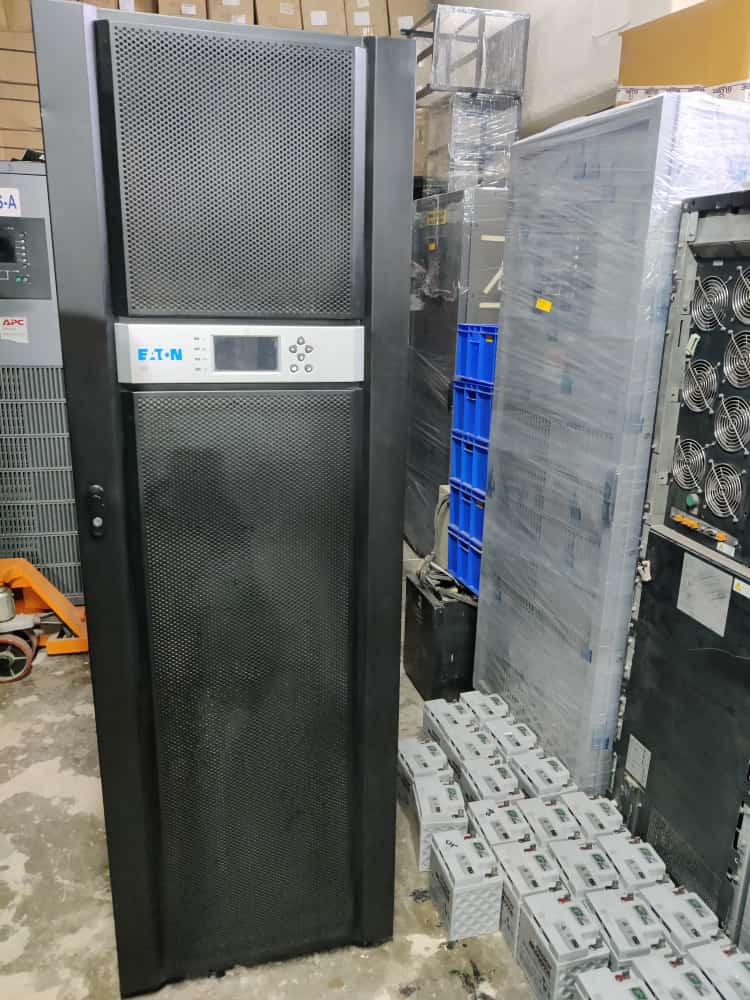
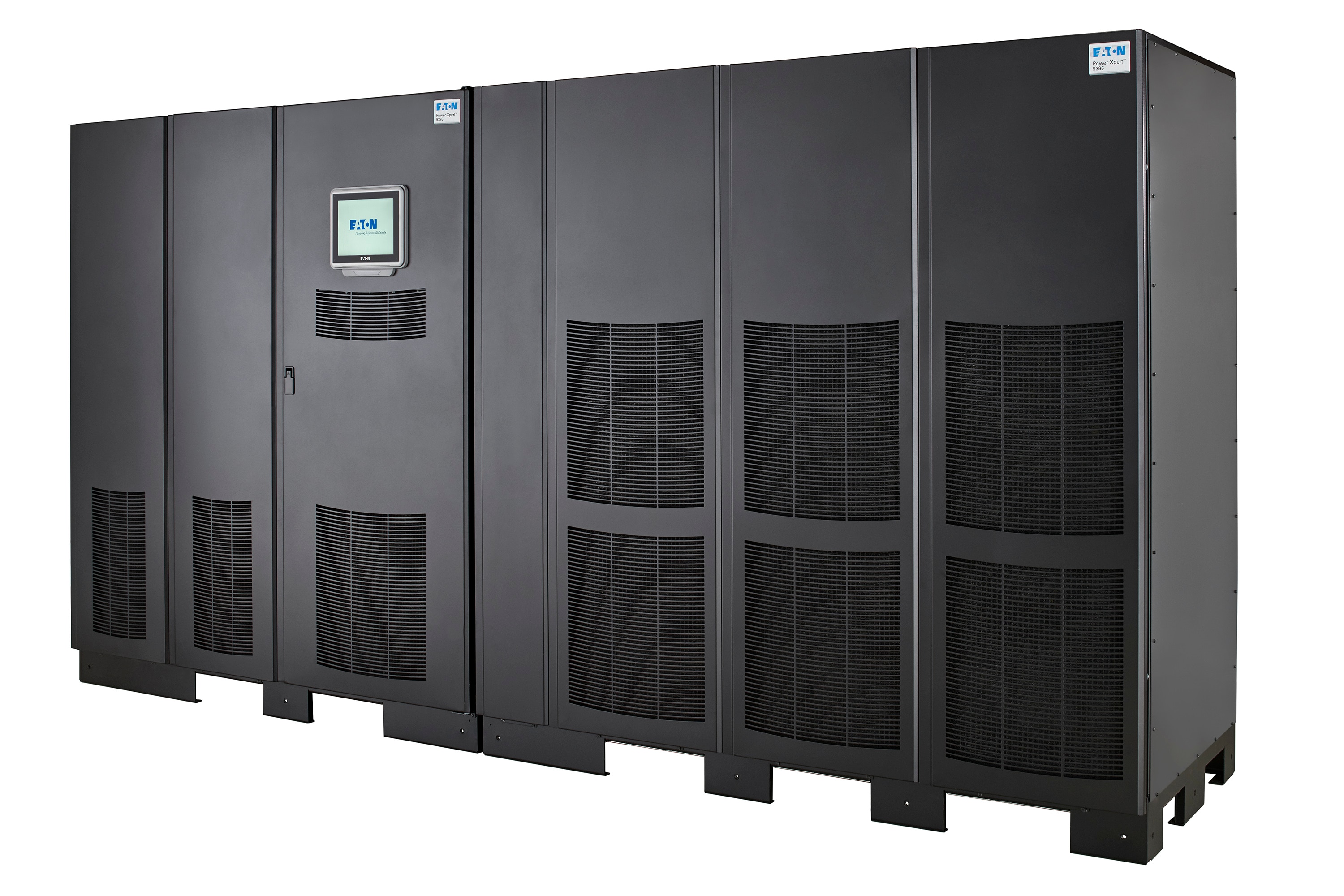
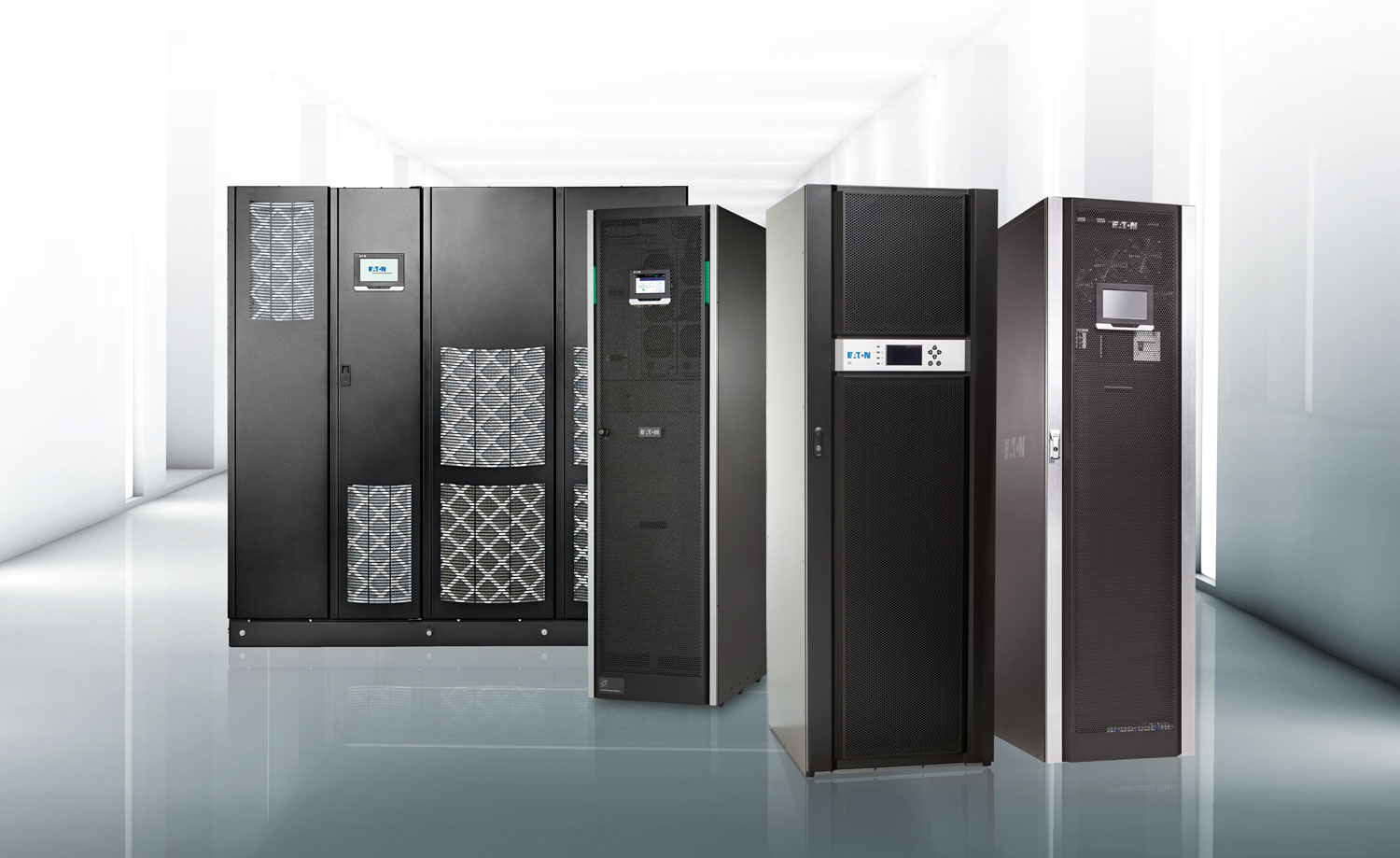
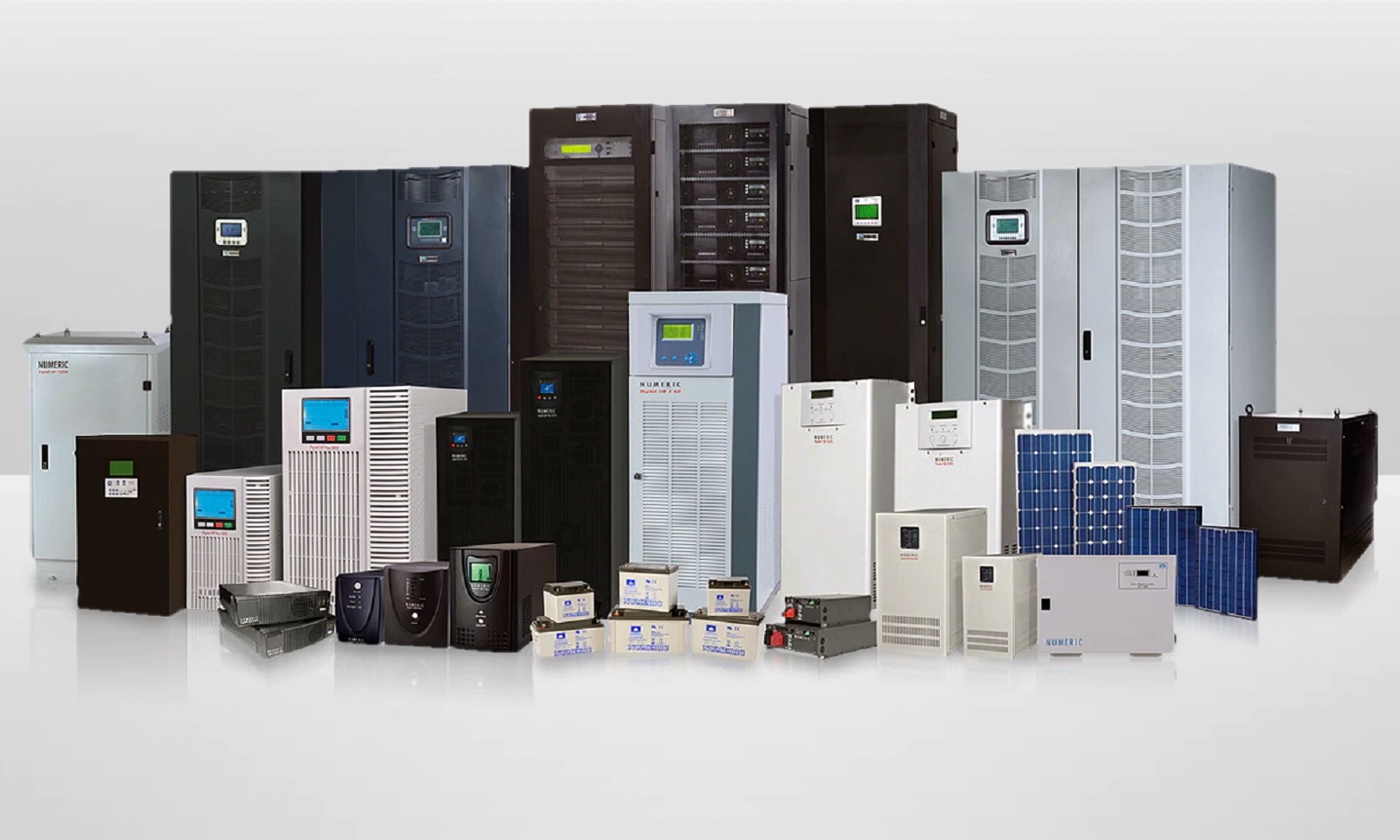
A look at some of the solar, UPS and battery installations completed by our team across homes, shops, offices and industrial sites.


As a working figure, allow roughly 70–100 sq ft of shadow-free roof per kilowatt. A 3 kW system therefore needs around 250 sq ft. Elevated structures can recover area over water tanks, stairs and parking, so a site survey often finds more usable space than expected.
Only if the system includes batteries. A plain on-grid system shuts down during an outage for safety reasons, since it cannot feed power into a dead line where linemen may be working. If you want backup, choose a hybrid or off-grid configuration.
Your meter is replaced with a bi-directional one. Units your system generates but does not use are exported to the grid and credited to your account, then adjusted against the units you draw at night. You are billed only on the net difference.
For a typical residential rooftop system, mechanical and electrical work usually takes two to four working days once material reaches site. The longer part is discom approval and meter replacement, which depends on your local office.
Mainly cleaning. Dust on panels can noticeably reduce output, so a rinse every two to four weeks during dry months is worthwhile. Beyond that, an annual check of connections, earthing, inverter health and string output keeps generation where it should be. We offer this under AMC.
Yes. For eligible residential rooftop systems we help with registration, vendor selection formalities, inspection scheduling and claim submission. Subsidy amounts and rules are set by the government and change from time to time, so we confirm the current position before you commit.
Share your latest bill and roof details — our engineers will size the right system and send you a transparent quote, including subsidy and net-metering guidance.