
Small Family
1–2 kW
- Around 80–250 units per month
- Lights, fans, TV, fridge, small pump
- Roughly 80–180 sq ft of roof
- Good starter system for 1–2 BHK
- Lowest entry cost

A rooftop system sized around how your family actually uses electricity — not a template package. Installed cleanly, documented properly, and serviced by a team that stays reachable.

Most households in our region pay for electricity twice: once on the discom bill, and again on diesel, inverter batteries or simple discomfort during long cuts. A correctly sized rooftop system addresses the first, and a hybrid version addresses both.
We start from your last twelve months of bills. That tells us your real consumption pattern — summer peaks, ceiling fan and AC load, water pump timings — and the system follows from there.
Indicative only. Actual sizing depends on your monthly units, roof area and whether you want battery backup.
The same scope on a 2 kW job as on a 10 kW one. Nothing important gets quietly left out of the quote.
Roof measurement, shadow study across the day, meter and load inspection, and an honest answer on whether solar suits your site.
Tier-1 mono PERC modules on a hot-dip galvanised structure with correct tilt for our latitude and wind loading.
Reputed string or hybrid inverter with DC and AC distribution boxes, surge protection devices and proper fusing.
Dedicated earth pits for DC, AC and lightning arrestor — the part most cheap quotations skip.
Application filing, liaison with the discom, inspection coordination and bi-directional meter installation follow-up.
Local support numbers, warranty coordination with manufacturers, and optional annual maintenance contracts.
Send us a photo of your last electricity bill on WhatsApp to start.
We survey the roof, check shadows and confirm what capacity actually fits.
You receive a layout, generation estimate and itemised quotation.
Two to four working days on site for a typical home system.
Net meter installed, system commissioned, app configured, training given.
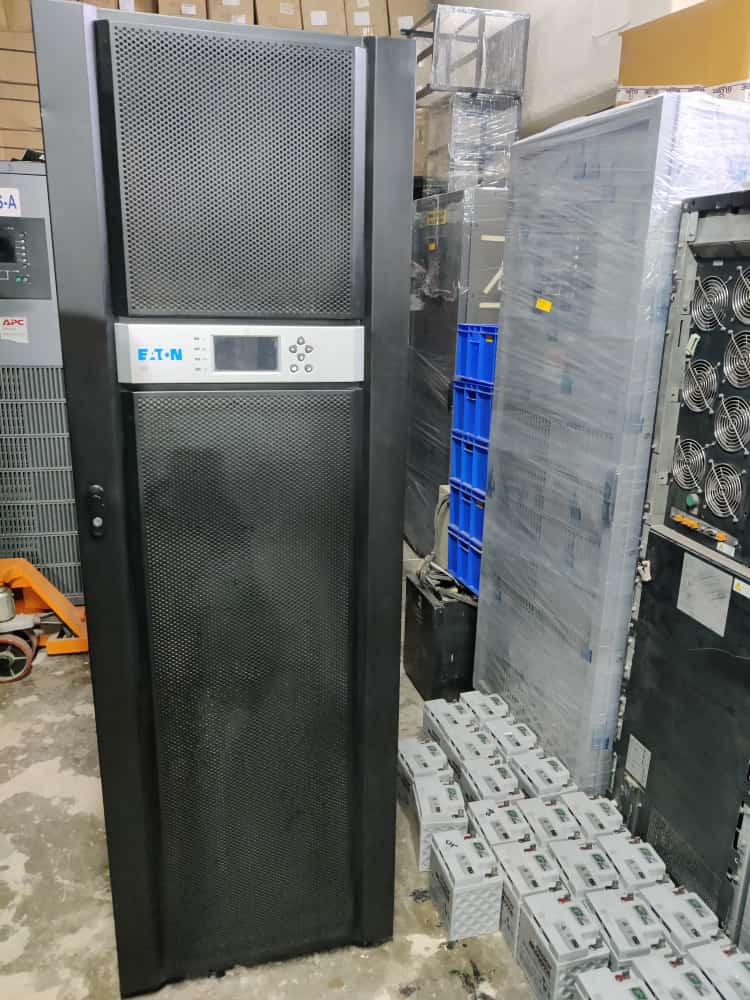
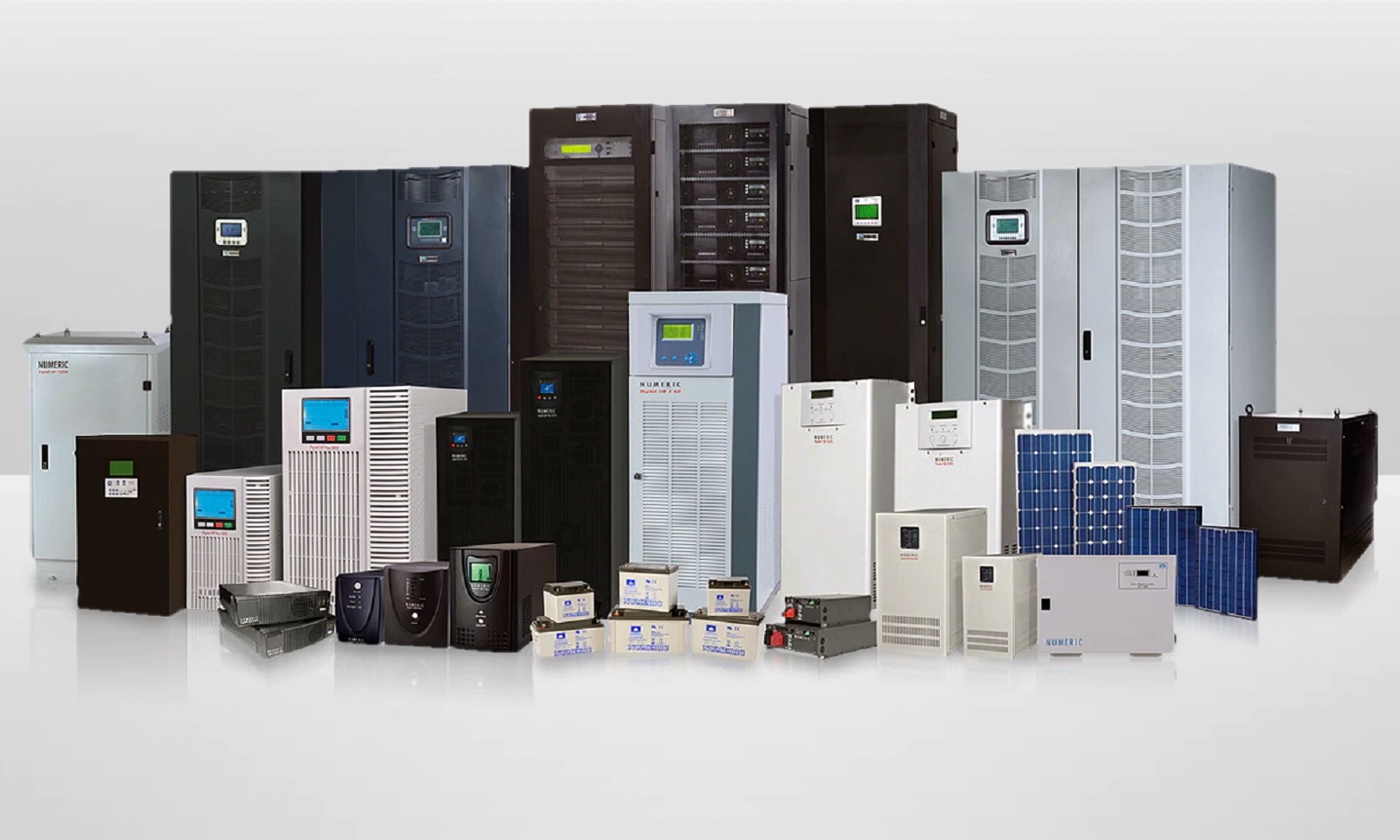
A look at some of the solar, UPS and battery installations completed by our team across homes, shops, offices and industrial sites.



Most RCC roofs handle a solar structure without difficulty — the load is spread across footings and is modest compared to the slab's own capacity. Tin-sheet and asbestos roofs need a closer look, and we tell you plainly at the survey stage if we are not comfortable.
Generation drops but does not stop; panels work on diffused light too. Annual estimates already account for monsoon months, which is why we quote yearly rather than daily figures. In an on-grid system, any shortfall is simply drawn from the grid as usual.
Yes, if the system is planned for it from day one. A hybrid inverter chosen at installation lets you add a battery bank later without replacing the inverter. Tell us at the design stage and we will keep that path open.
It depends on your tariff slab, consumption and whether subsidy applies, so we work out an honest estimate for your specific case rather than quoting a headline number. Homes with high monthly consumption see the shortest payback.
A rinse every two to four weeks in dry, dusty months makes a visible difference to output. During monsoon, rain does much of the work. We can include scheduled cleaning in an AMC if you would rather not do it yourself.
Share your latest bill and roof details — our engineers will size the right system and send you a transparent quote, including subsidy and net-metering guidance.