Nikan Power Solutions
Get a Quote
HomeSolarOff-Grid & Hybrid Solar
Battery Backed  ·  Outage Proof

Off-Grid & Hybrid
Solar with Battery Backup

For sites where the supply is unreliable or absent altogether. Solar charges the batteries, batteries carry you through the cut, and in hybrid mode the grid stays available as a fallback.

Runs through power cuts
Lithium and tubular options
Suits remote and rural sites
UTL Solar distributor
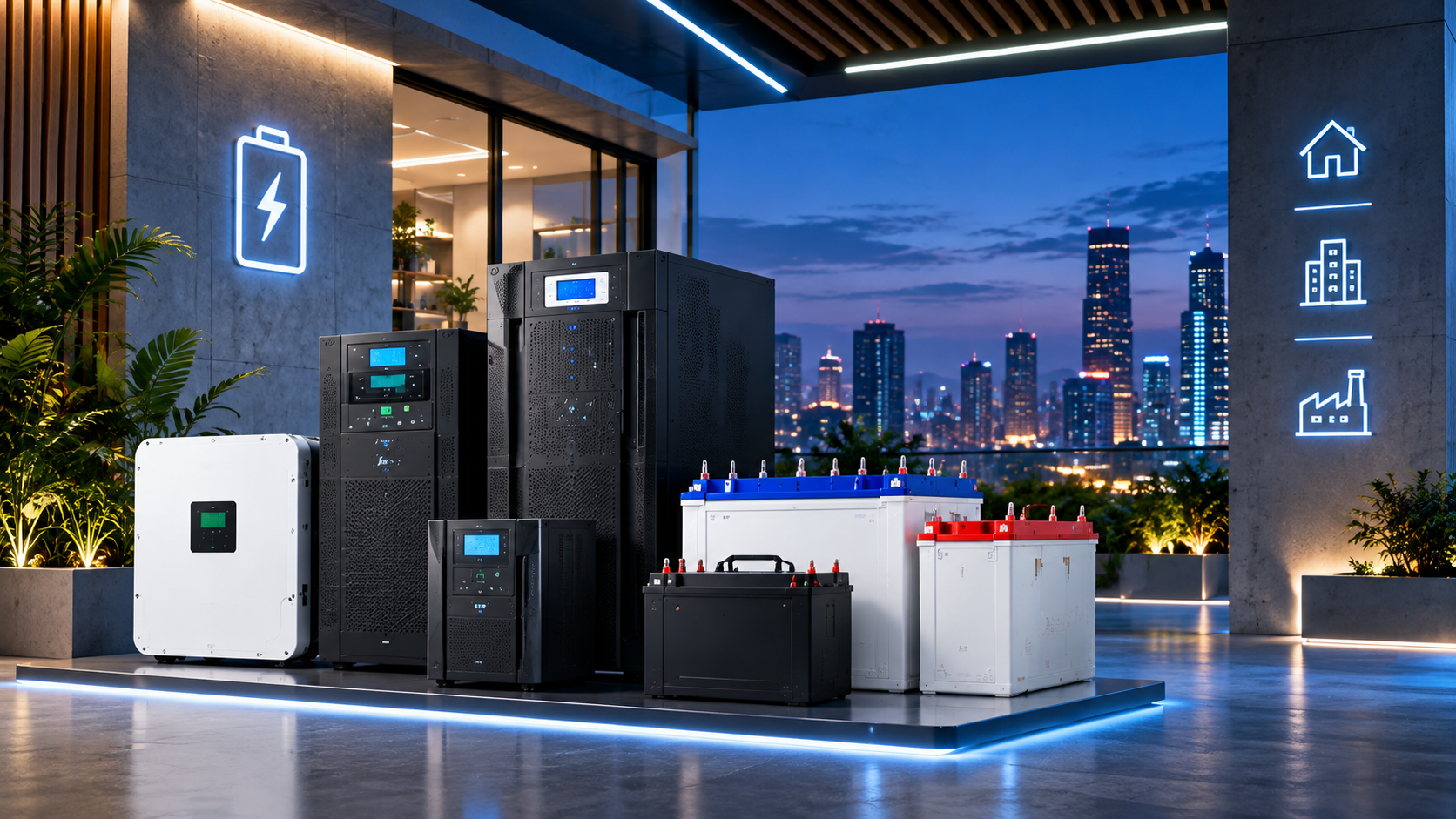
Hybrid inverter with lithium and tubular battery bank
Two Ways to Add Storage

Off-grid or hybrid — which one do you need?

A pure off-grid system ignores the grid entirely. Solar charges a battery bank, and your loads run from those batteries. It is the right choice for farms, tube wells, telecom sites, border locations and anywhere the grid is absent or hopeless.

A hybrid system does both. It offsets your daily consumption like an on-grid plant, keeps a battery reserve for outages, and can still draw from the grid when solar and battery are both short. For most homes and shops with frequent cuts, hybrid is the sensible middle ground.

  • Essential loads stay live through long outages
  • Lithium banks for compact size and long cycle life
  • Tubular batteries where budget matters more than footprint
  • Battery bank sized against your genuine backup hours, not a round number
  • Integrates with existing inverter and UPS installations

Storage Options

Choosing Your Battery Bank

Battery choice drives cost, footprint and how much daily maintenance the system needs.

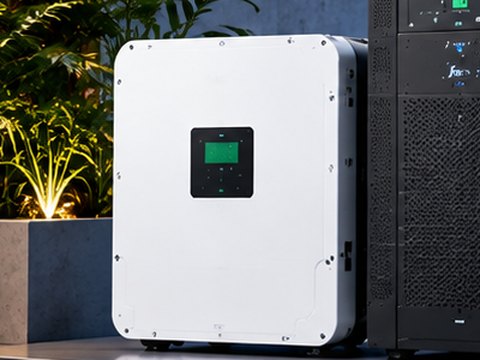
Lithium battery and hybrid inverter
Compact & Long-Life

Lithium Battery Bank

  • 48V configurations including 100 Ah banks
  • Much longer cycle life than lead-acid
  • No topping up, no acid fumes, no ventilation room
  • Deeper usable discharge from the same rating
  • Small footprint — wall or rack mounted
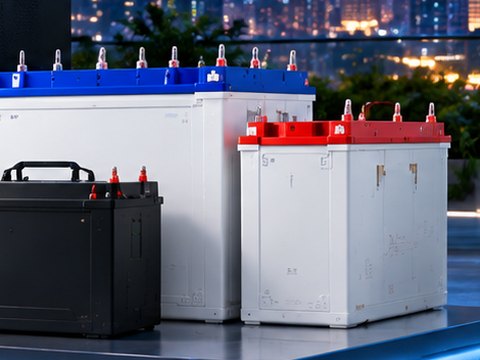
Tubular batteries
Budget Friendly

Tubular Battery Bank

  • Proven technology, widely serviceable locally
  • Lower upfront cost per kWh of storage
  • Needs a ventilated space and periodic water topping
  • Shorter life than lithium in deep-cycle use
  • Suits backup-only duty with modest daily cycling
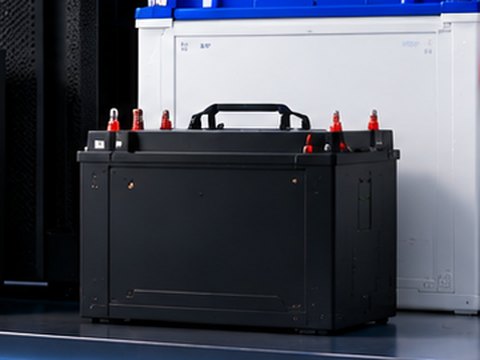
Sealed maintenance-free battery
Sealed & Maintenance Free

SMF / VRLA Bank

  • Maintenance-free sealed construction
  • Common in UPS and telecom rooms
  • No water topping required
  • Good where access for servicing is limited
  • Amaron Quanta and equivalent options available
Where It Fits

Typical Off-Grid & Hybrid Applications

Homes with Frequent Cuts

Hybrid system keeping lights, fans, router, fridge and a few sockets alive through every outage.

Farms & Tube Wells

Solar pumping and off-grid supply where extending a grid line is impractical or prohibitively expensive.

Telecom & Remote Sites

Continuous DC load with no dependable grid, traditionally run on diesel — a strong solar-plus-storage case.

Shops & Small Offices

Billing counters, computers and lighting that simply cannot go dark during business hours.

Clinics & Labs

Refrigerated storage and diagnostic equipment where an outage has real consequences.

Resorts & Remote Guest Houses

Hill and riverside properties at the end of a long, fragile distribution line.

Sizing Guide

Matching Battery Backup to Your Load

Indicative backup figures. Real runtime depends on the exact loads you choose to put on the backup circuit.

Backup RequirementTypical LoadsIndicative BankSuggested Solar
Essentials onlyLED lights, fans, router, TV48V small bank1–2 kW
Home essentials plus fridgeAbove, plus refrigerator and a pump48V mid-size bank3–5 kW
Shop or small officeLighting, computers, billing, one AC48V larger bank5–10 kW
Fully off-grid homeComplete household load, no gridSized to daily kWh useSized to daily kWh use
Industrial critical loadProcess and control equipmentProject specificProject specific
A word on honest sizing: a battery bank that is too small will be discharged too deeply every day and will fail early. We would rather quote the correct bank and explain the cost than sell an undersized system that disappoints you in eighteen months.
Our Approach

How We Design a Storage System

1

Load Listing

We list exactly which circuits you want backed up, and for how many hours.

2

Energy Budget

That converts into a daily kWh figure, which drives both array and bank size.

3

Battery Selection

Lithium or lead-acid, based on your budget, available space and cycling pattern.

4

Installation

Array, hybrid inverter, battery bank, changeover and protection, installed and tested.

5

Service Plan

Periodic bank health checks, terminal cleaning and capacity verification.

Our Work

Pictures That Speak

A look at some of the solar, UPS and battery installations completed by our team across homes, shops, offices and industrial sites.

Solar power system installation by Nikan Power SolutionsRooftop solar setupSolar and battery backup solutionNikan Power Solutions project siteInstallation work in progressPower system commissioningCompleted customer installationNikan Power Solutions service teamNikan Power Solutions, HaridwarNikan Power Solutions power backup solutionsUPS and battery solutions by Nikan Power SolutionsNikan Power Solutions Haridwar
Questions & Answers

Frequently Asked Questions

In most cases, yes. A pure off-grid system means you carry the full cost of a battery bank large enough for every cloudy stretch, with no grid to fall back on. Hybrid gives you outage cover plus daily bill savings, with the grid as a safety net. Pure off-grid makes sense mainly where there is no usable grid connection.

It depends far more on how they are used than on the label. Lithium banks handle many more deep cycles than lead-acid and tolerate partial charging better. Tubular batteries last well on shallow, occasional backup duty but wear quickly if cycled deeply every day. Correct sizing is the single biggest factor.

Often yes. Many existing home inverter and battery setups can be upgraded with a solar charge controller or replaced with a hybrid inverter that reuses your battery bank. We assess the existing equipment during the site visit and tell you what is worth keeping.

Only if you intend to export surplus to the grid. Some customers run hybrid purely for self-consumption and backup, with no export and therefore no net-metering application. We will explain both routes and what each involves for your connection.

Lithium banks are essentially maintenance-free beyond keeping terminals clean and the area ventilated. Tubular batteries need distilled water topping at intervals and periodic specific-gravity checks. Either way, an annual capacity check catches a weak cell before it drags the whole bank down.

Ready to cut your electricity bill with solar?

Share your latest bill and roof details — our engineers will size the right system and send you a transparent quote, including subsidy and net-metering guidance.