Factories & Workshops
Daytime production load matches solar generation almost perfectly, which is the ideal case for a grid-tied plant.
Commercial tariffs are where solar bites hardest. We study your load curve, design around your sanctioned demand, and deliver a plant your maintenance team can actually live with.

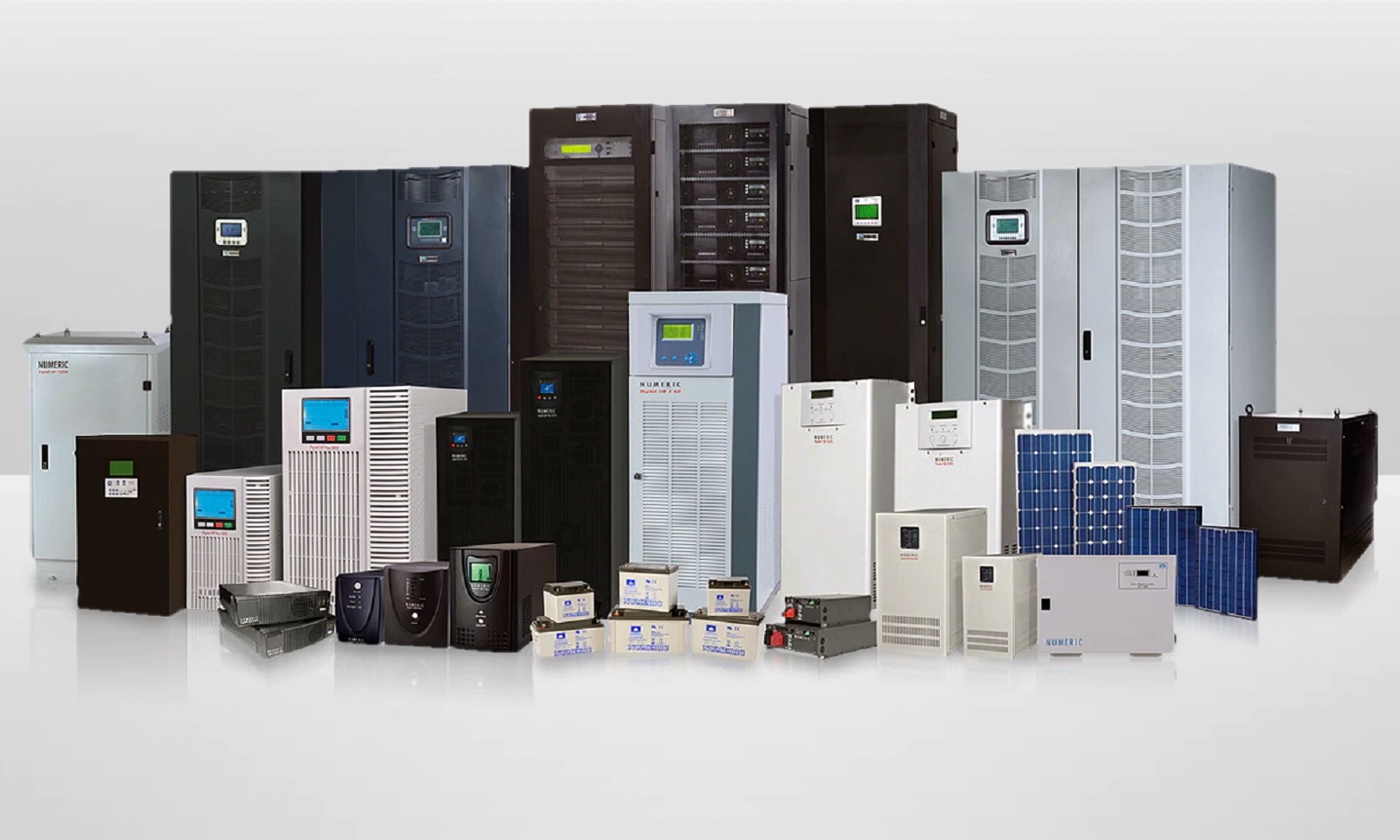
Since 2014 we have worked inside industrial and commercial electrical rooms — UPS systems, battery banks, servo stabilisers, isolation transformers, LT panels and earthing. Solar simply became the next layer on that same infrastructure.
For a business, that matters more than panel brochures. Your plant has to tie into an existing LT panel without nuisance tripping, without upsetting your UPS or stabiliser, and without creating an earthing conflict. We design for that reality.
Any business with a large daytime load and roof or ground area to spare is a strong candidate.
Daytime production load matches solar generation almost perfectly, which is the ideal case for a grid-tied plant.
Continuous air-conditioning, laundry and kitchen load, often on the highest tariff slab in the region.
Large unused rooftops and a pure daytime load profile — among the quickest payback cases we see.
Round-the-clock critical load. Usually paired with UPS and battery backup for uninterrupted supply.
Lighting and cooling dominate the bill during exactly the hours solar is producing.
Very large shed roofs and steady refrigeration load make a compelling combination.
Rough guidance for budgeting discussions. Every commercial proposal we issue is based on an actual site study.
| Plant Capacity | Approx. Area Needed | Typical Monthly Generation | Common Application |
|---|---|---|---|
| 25 kW | About 2,000–2,500 sq ft | Around 2,500–3,200 units | Showrooms, small hotels, clinics |
| 50 kW | About 4,000–5,000 sq ft | Around 5,000–6,500 units | Schools, mid-size workshops |
| 100 kW | About 8,000–10,000 sq ft | Around 10,000–13,000 units | Factories, hospitals, hotels |
| 250 kW | About 20,000–25,000 sq ft | Around 25,000–32,000 units | Large manufacturing units |
| 500 kW and above | Shed roof or ground-mount | Project specific | Industrial campuses, cold storage |
Structured execution with documentation at every stage, so your maintenance and finance teams both have what they need.
Bill analysis, sanctioned demand review and daytime load profiling.
Layout, structural assessment, single-line diagram and generation modelling.
Net-metering application, discom liaison and statutory inspection coordination.
Civil, structural, electrical and safety work with site supervision.
Commissioning, training, handover documents and an ongoing maintenance contract.
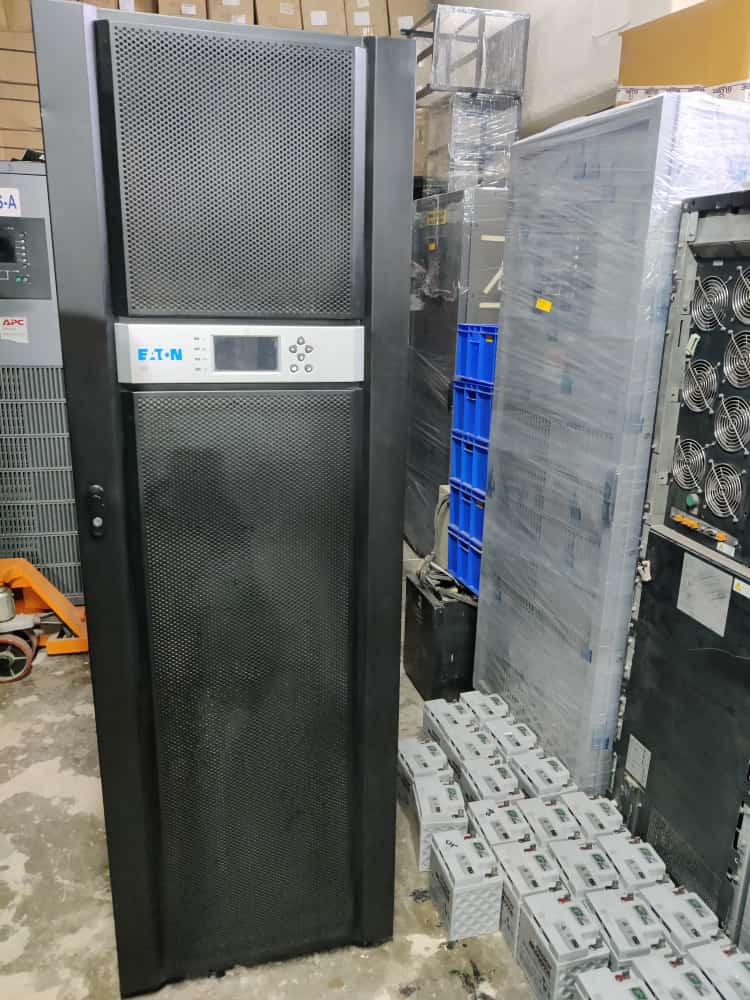
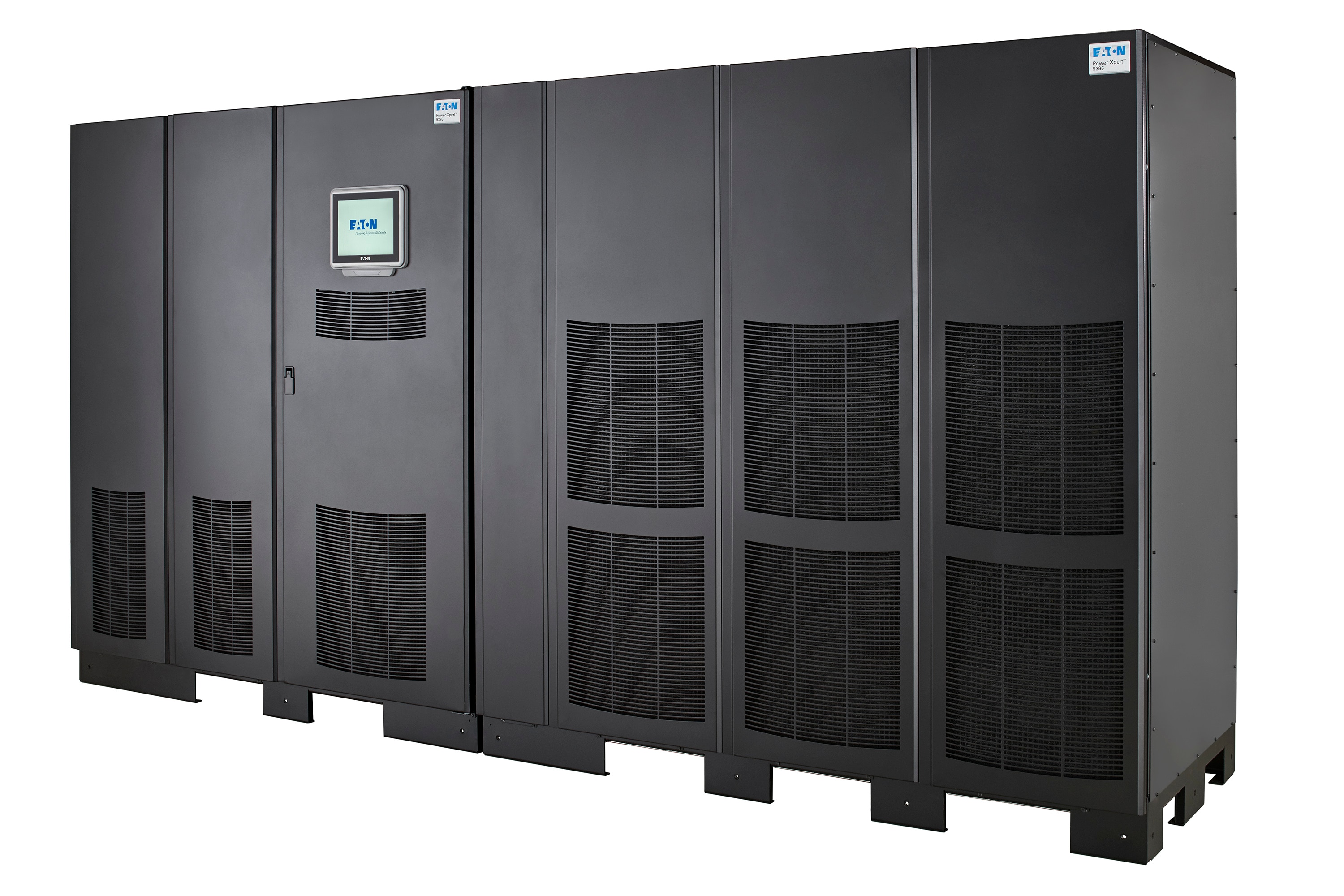
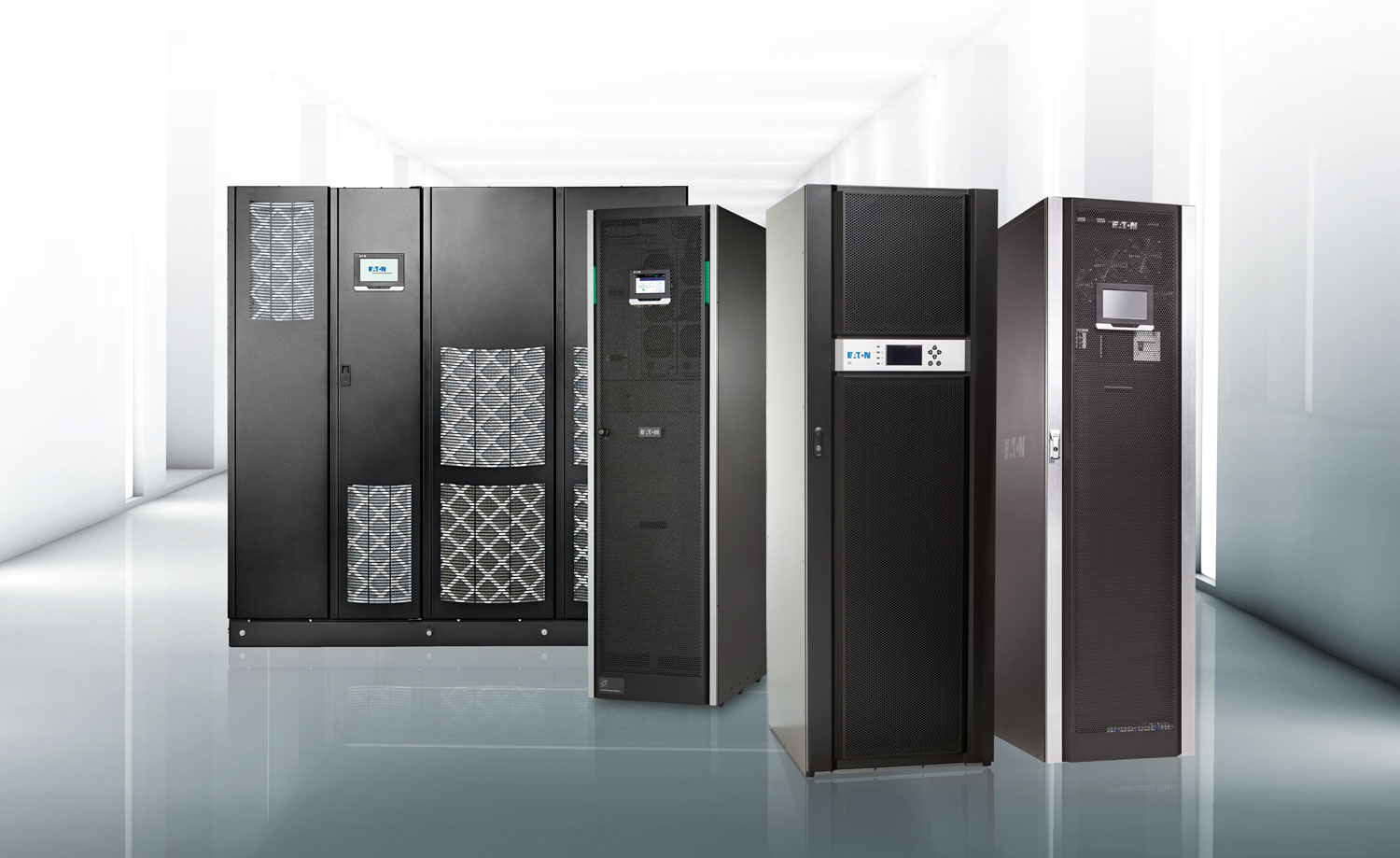
A look at some of the solar, UPS and battery installations completed by our team across homes, shops, offices and industrial sites.


Businesses can claim depreciation on a solar asset at an enhanced rate in the early years, which reduces taxable profit and improves the effective payback. The exact treatment depends on current tax rules and your accounting position, so please confirm the specifics with your CA before relying on it.
Yes, and that coordination is a core part of the design rather than an afterthought. We look at how your DG, UPS, stabiliser and solar inverter will interact, and configure the system so solar does not cause instability when the plant runs on DG.
Rooftop work is largely independent of your operations. The only short interruptions are during final tie-in to your LT panel and during the discom meter change, and both are scheduled with you in advance — usually on a weekend or a planned shutdown.
Yes. Commercial plants are supplied with monitoring that logs daily and monthly generation, and under an O&M contract we issue periodic performance reports comparing actual output against the design estimate.
The structure is designed so modules can be de-mounted in sections. We plan walkways and access paths at the design stage precisely so future roof maintenance does not mean dismantling the whole plant.
Share your latest bill and roof details — our engineers will size the right system and send you a transparent quote, including subsidy and net-metering guidance.