
Solar Modules
Tier-1 mono PERC modules with standard product warranty and a long-term performance warranty on output.
No battery bank, minimal maintenance and the best cost per generated unit. Your meter runs backwards when you produce more than you use.

An on-grid system connects your solar array directly to your building's supply through a grid-tie inverter. Whatever your loads need is taken from solar first; anything left over flows out through a bi-directional meter and is credited to your account.
At night or on dull days, you simply draw from the grid as before. At billing time the discom nets the two directions against each other, which is why the arrangement is called net metering. Because there is no battery bank, the cost and the maintenance burden both drop sharply.
Six things determine whether a grid-tied system performs for twenty-five years or becomes a service headache.
Tier-1 mono PERC modules with standard product warranty and a long-term performance warranty on output.
Converts DC to grid-synchronised AC, with MPPT tracking and mandatory anti-islanding protection.
Installed by the discom after approval. Records import and export separately for net billing.
Protection boxes with fuses, isolators and surge protection on both the DC and AC sides.
Separate earth pits and a lightning arrestor covering the array — non-negotiable on any roof.
Hot-dip galvanised structure at the right tilt, engineered for local wind loading.
The approval process is where most solar projects stall. We run it for you.
Registration with the discom along with load details and system specifications.
The discom confirms your transformer and connection can accommodate the export.
The plant is built and tested while the application is in process.
Discom or electrical inspector visits and verifies the installation.
The bi-directional meter is installed and net billing begins.
An honest look at where grid-tied systems win and where they do not.
| Consideration | On-Grid Position |
|---|---|
| Backup during outage | None — the inverter shuts down for lineman safety |
| Upfront cost | Lowest of the three system types |
| Maintenance | Panel cleaning and an annual check; no battery upkeep |
| Surplus generation | Exported and credited through net metering |
| Approval needed | Yes — discom sanction is mandatory before commissioning |
| Ideal for | Homes and businesses with reasonably reliable grid supply |
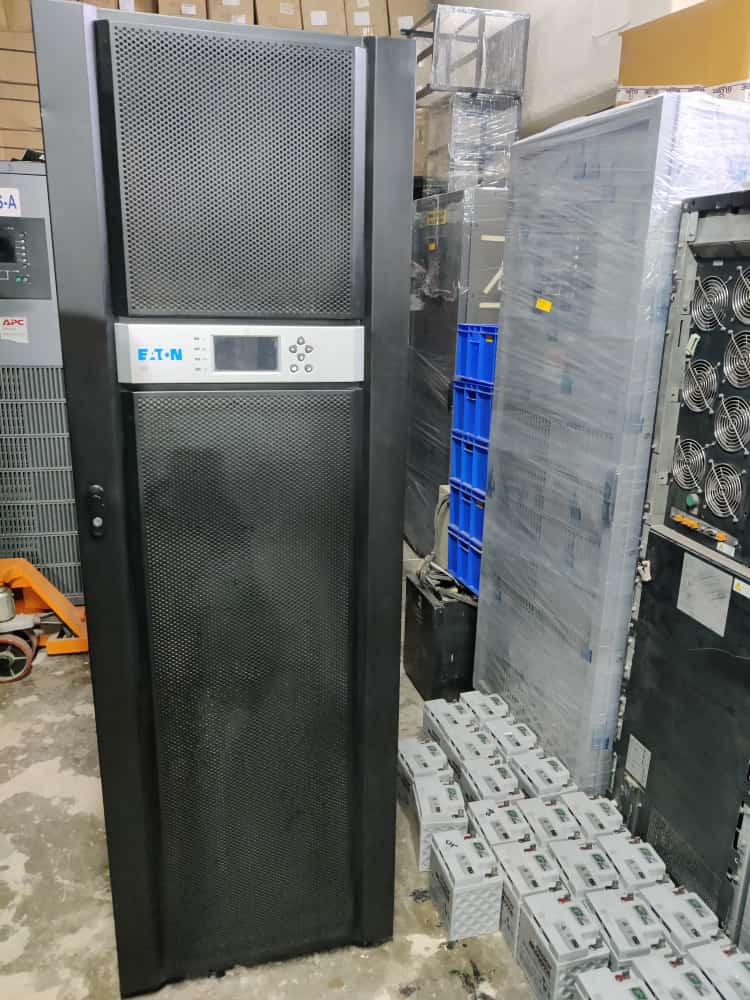
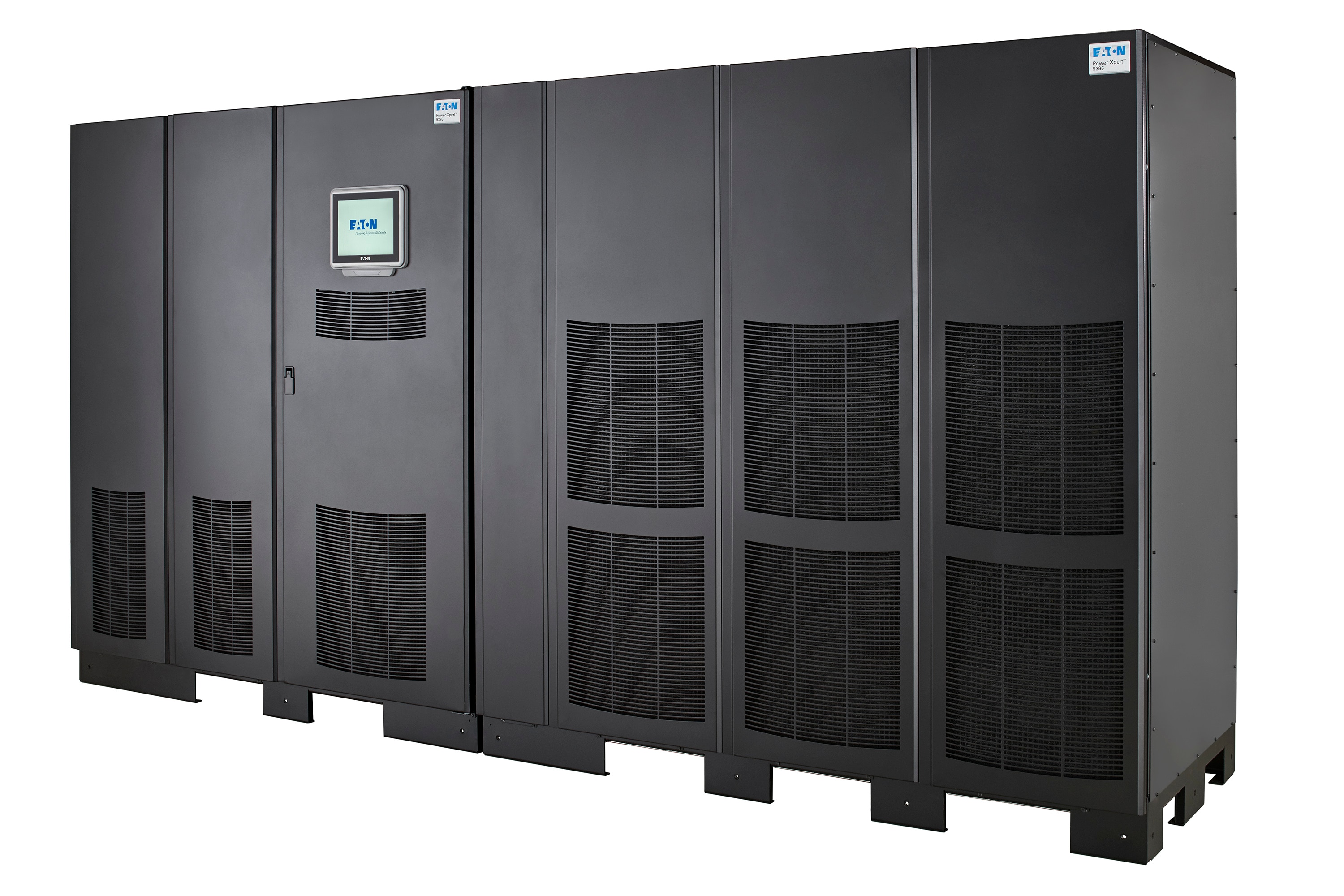
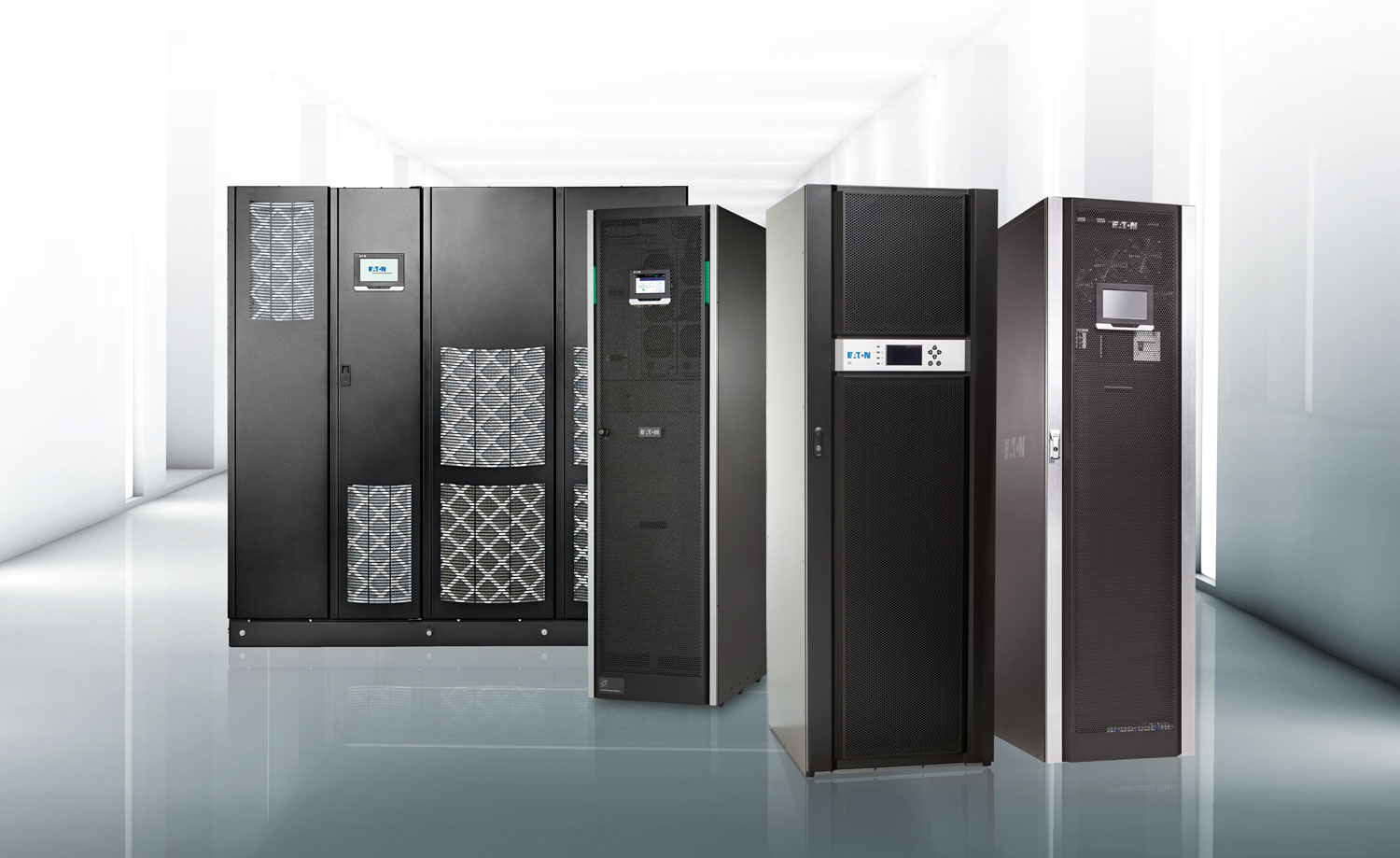
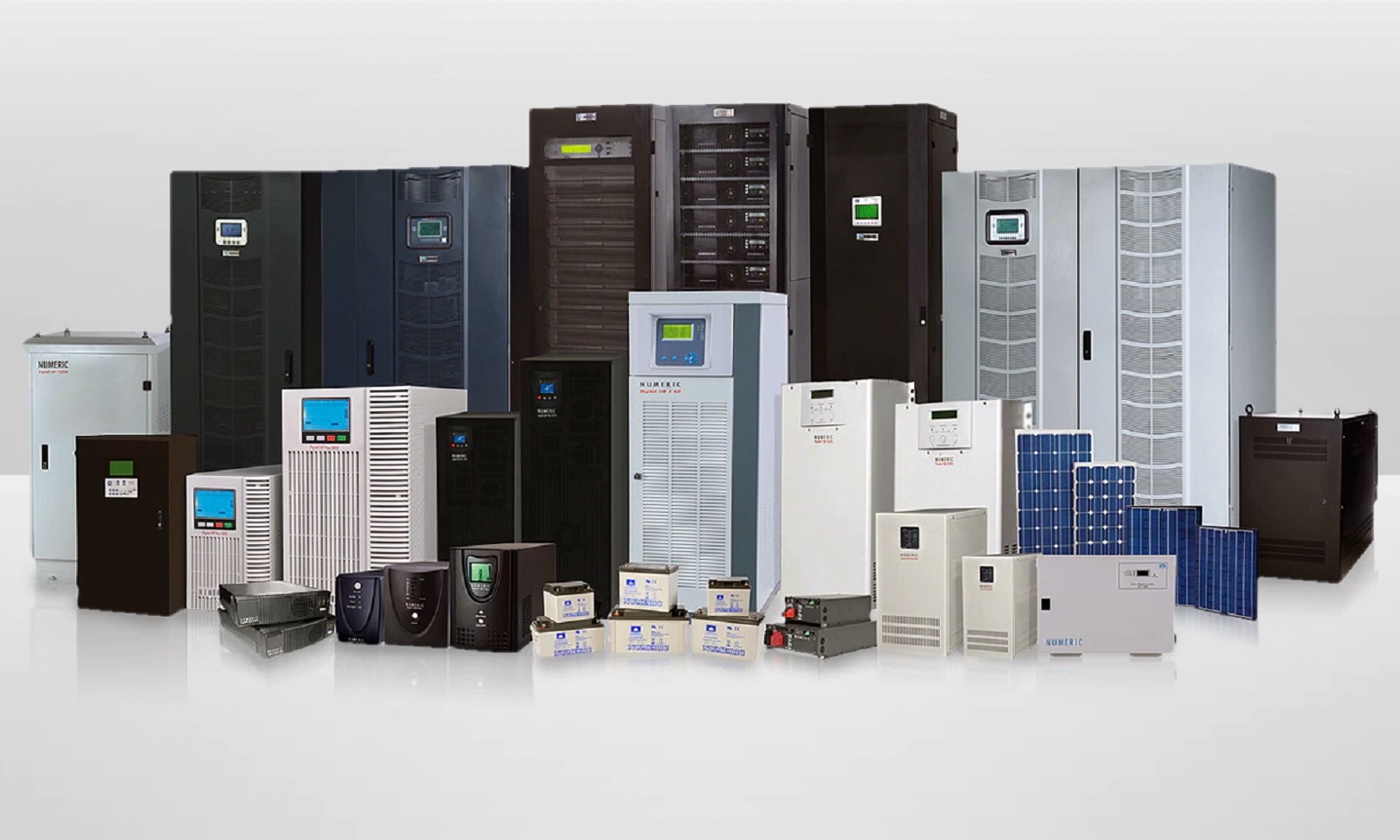
A look at some of the solar, UPS and battery installations completed by our team across homes, shops, offices and industrial sites.


It is a mandatory safety feature called anti-islanding. If the inverter kept feeding the line during an outage, it could energise a section that linemen believe is dead. Every certified grid-tie inverter disconnects automatically when the grid supply is absent.
Settlement rules differ by state and by discom, including how long credits carry forward and what happens to a surplus at the end of the settlement period. We check the current policy applicable to your connection before finalising system size, so you are not over-sizing into credits you cannot use.
Usually there are limits linking permitted solar capacity to your sanctioned load or transformer capacity. If you want a larger plant, the route is generally to enhance your sanctioned load first. We assess this during the feasibility stage.
Typically a completed application, system specifications, inverter certification, a wiring diagram and a site inspection. Requirements vary between offices, which is why we prepare and submit the file rather than leaving it to you.
Modules lose output very gradually — a small first-year drop, then a slow annual decline, which is what the long-term performance warranty covers. Practical output in the field is affected far more by dust and shading than by degradation.
Share your latest bill and roof details — our engineers will size the right system and send you a transparent quote, including subsidy and net-metering guidance.